Hair Fall
Hair loss (alopecia) affecting millions, driven by genetics, hormones, nutrition, stress and scalp health.
Overview
Hair fall, also known as hair loss or alopecia, is a common concern affecting millions of people worldwide. It can have a significant impact on self-esteem and confidence, so understanding the causes, prevention strategies and available treatments is crucial for managing it effectively.
Because hair fall usually has more than one driver, treatment begins with a full history: diet, thyroid and iron status, hormonal changes, medication, stress and styling habits are all reviewed before a remedy plan is set.
Causes & triggers
- Genetic factors — androgenetic alopecia (male or female pattern baldness)
- Hormonal changes: pregnancy, childbirth, menopause, thyroid problems
- Medical conditions such as alopecia areata and scalp infections
- Medications and treatments including chemotherapy
- Nutritional deficiencies of iron, protein and vitamins
- High stress, poor sleep, tight hairstyles and excessive heat or chemicals
Common symptoms
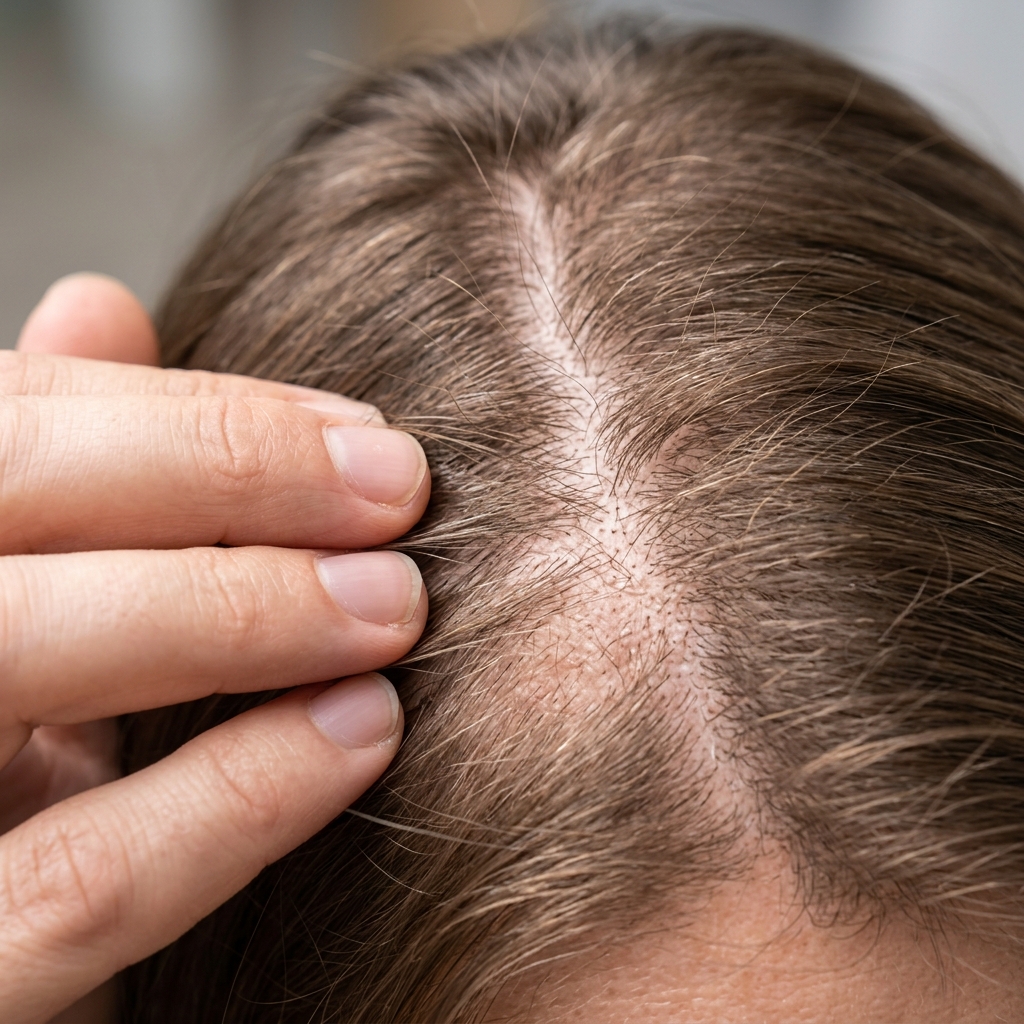
- Gradual thinning at the crown or widening parting
- Excessive shedding while combing or washing
- Patchy bald spots on the scalp or beard
- Receding hairline or visible scalp
- Itching, flaking or scalp infection alongside shedding
Prevention & self-care
- Eat a balanced diet rich in iron, zinc, vitamin D and protein
- Use gentle shampoos and avoid styles that pull on the hair
- Manage stress with exercise, meditation and adequate sleep
- Keep the scalp clean; massage regularly to improve circulation
- Limit heat styling and chemical treatments
When to see a doctor
Book a review if you notice sudden patchy loss, hair fall after fever or delivery, or shedding that continues beyond three months.
Book a consultationRelated conditions
Psoriasis
A chronic immune-driven disease where skin cells multiply too quickly, forming scaly, inflamed patches.
Eczema (Atopic Dermatitis)
A chronic condition causing dry, itchy and inflamed skin, common in young children but possible at any age.

Vitiligo
A skin condition where the immune system destroys pigment cells, leaving lighter or white macules and patches.