

Constipation
Passing fewer than three stools a week or having persistent difficulty passing stool.
Overview
Constipation is a problem with passing stool — generally passing fewer than three stools a week or having a difficult time passing stool. It is fairly common, and a lack of dietary fibre, fluids and exercise can cause it. Other medical conditions or certain medicines may also be responsible.
Long-term constipation, also called chronic constipation, may require treating another underlying disease or condition. Chronic constipation is defined as having two or more of the typical symptoms for three months or longer.
Common symptoms
- Fewer than three stools a week
- Hard, dry or lumpy stools
- Straining or pain when passing stools
- A feeling that not all stool has passed
- A feeling that the rectum is blocked
- The need to use a finger to pass stool
Prevention & self-care
- Build fibre from fruit, vegetables and whole grains
- Drink water steadily through the day
- Walk or exercise daily to stimulate bowel movement
- Keep a consistent toilet routine and never suppress the urge
When to see a doctor
Get reviewed for constipation with blood in the stool, unexplained weight loss, persistent abdominal pain, or a new change after age 45.
Book a consultationRelated conditions
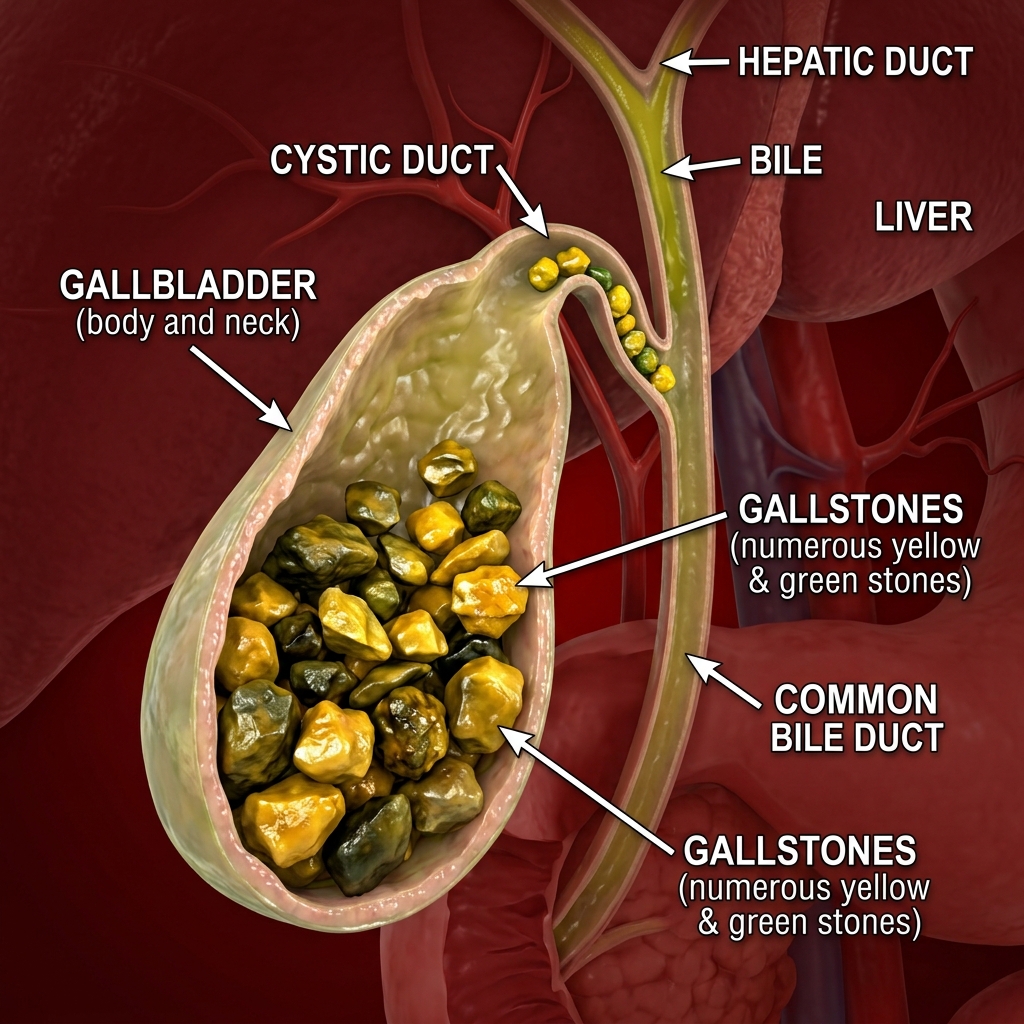
Gall Stone
Hardened deposits of digestive fluid that form in the gallbladder and can trigger sudden biliary colic.

Piles (Hemorrhoids)
Swollen veins in the lower anus and rectum that cause tissue growths, itching, discomfort and bleeding.

Anal Fissure
A small tear in the thin, moist tissue lining the anus, usually caused by constipation and hard stools.